


How to Build a Recovery Routine With Mild Hyperbaric Oxygen Therapy in Chattanooga
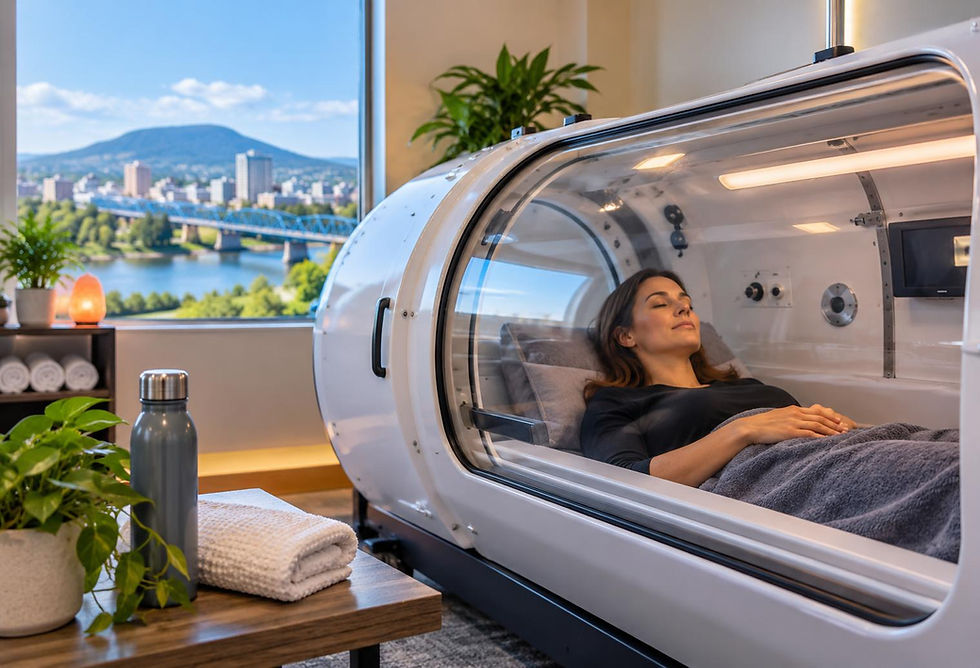
Recovery can be difficult to prioritize when work, training, family responsibilities, and an active lifestyle fill the week. For people in Chattanooga who are exploring wellness-focused recovery options, mild hyperbaric oxygen therapy may be one component of a broader routine built around rest, nutrition, movement, and consistency.
Quick answer: Building a recovery routine with mild hyperbaric oxygen therapy starts with treating each session as one part of a larger wellness plan rather than a standalone solution. A thoughtful routine includes an appropriate session schedule, hydration, adequate sleep, balanced nutrition, reasonable activity, and guidance from a qualified provider. Your individual health history and goals should help determine whether this type of therapy is appropriate for you.
What local readers should know
Mild hyperbaric oxygen therapy involves spending time in a pressurized chamber and should be approached with appropriate screening and professional guidance.
A consistent recovery schedule can be easier to maintain when sessions fit naturally around work, exercise, sleep, and other commitments.
Chattanooga residents who hike, cycle, run, train, or spend weekends exploring the Tennessee River and surrounding outdoor areas may want recovery time built deliberately into active weeks.
More therapy is not automatically better, so session frequency should reflect individual circumstances and professional recommendations.
Hyperbaric therapy is not a substitute for appropriate medical diagnosis or treatment when pain, injury, illness, or other symptoms require medical attention.
Why Does a Recovery Routine Matter in Chattanooga?
A recovery routine matters in Chattanooga because an active week can combine work, exercise, outdoor recreation, travel, and everyday responsibilities with surprisingly little scheduled downtime. Building recovery into the calendar can make rest and other healthy habits more intentional instead of something saved for whenever time happens to appear.
The Chattanooga area offers plenty of ways to stay active. Residents may spend time along the Tennessee Riverwalk, hike around Lookout Mountain, explore trails near Signal Mountain, or maintain regular gym and training schedules. Those activities can be rewarding, but recovery still deserves a place in the weekly routine.
At Norspring, we help people explore wellness services as part of a more intentional approach to recovery. We encourage people considering mild hyperbaric oxygen therapy to think about the entire routine surrounding their sessions, not just the time spent in the chamber.
What Should You Know About Mild Hyperbaric Oxygen Therapy?
Mild hyperbaric oxygen therapy uses a pressurized chamber, but the specific equipment, pressure, oxygen delivery, intended use, and medical oversight matter when discussing any hyperbaric service. Before adding sessions to a routine, understand exactly what is being offered and whether it is appropriate for your circumstances.
Hyperbaric treatments should not be treated as interchangeable. Certain medical uses of hyperbaric oxygen therapy involve specific clinical protocols, equipment, pressures, and indications. Wellness-oriented mild hyperbaric services should not be assumed to provide the same outcomes as medically prescribed hyperbaric oxygen therapy.
That distinction is especially important when setting expectations. A recovery routine should support overall wellness without replacing medical care for an injury, persistent symptoms, or diagnosed condition.
How Can You Build Mild Hyperbaric Sessions Into Your Week?
Building mild hyperbaric sessions into your week works best when you choose a sustainable schedule and coordinate it with sleep, exercise, nutrition, and other recovery habits. Rather than adding sessions randomly, consider where they fit comfortably into your existing Chattanooga routine and follow provider guidance about frequency.
Start by looking at your normal week. Identify harder training days, long workdays, outdoor activities, and periods when recovery tends to get neglected. Then determine whether your planned sessions can fit without creating additional stress.
Consistency also applies outside the chamber. Maintain adequate hydration, eat appropriately for your needs, and give yourself enough time to sleep. If your recovery plan makes the rest of your schedule harder to manage, simplifying the plan may make it more sustainable.
What Are Useful Field Observations About Recovery Routines?
A useful field observation is that recovery routines tend to be easier to maintain when they are simple, scheduled, and connected to habits a person already follows. Individual experiences vary, however, and personal responses should not be presented as proof that a particular therapy treats a medical problem.
For someone commuting between downtown Chattanooga and surrounding communities, convenience may be important. An elaborate routine that requires constant schedule changes can be difficult to maintain.
The same principle applies to active residents. Someone spending Saturday on trails around Lookout Mountain may organize the weekend differently from someone whose primary physical demand comes from standing, lifting, or traveling for work.
The goal is a routine you can realistically follow.
What Signs Mean You Should Reconsider Your Recovery Plan?
Warning signs that deserve attention include new or worsening symptoms, difficulty tolerating pressure changes, significant ear discomfort, unusual dizziness, breathing concerns, or a recovery routine that seems to aggravate rather than support your overall well-being. Medical symptoms should be evaluated appropriately instead of being managed solely through wellness services.
Pay attention to:
Persistent or worsening pain that has not been medically evaluated.
Ear pain or significant difficulty equalizing pressure.
New dizziness or unusual discomfort during or after a session.
Breathing difficulties or concerning respiratory symptoms.
Symptoms following an acute injury.
A health change that could affect whether chamber use is appropriate.
A routine that interferes with necessary rest, treatment, or medical follow-up.
Do not use a wellness routine to delay care for symptoms that need medical evaluation.
When Should You Talk With a Medical Professional?
You should talk with an appropriate medical professional when you have an injury, diagnosed condition, unexplained symptoms, significant health history, medication questions, or uncertainty about whether pressurized chamber sessions are suitable for you. Professional medical advice is particularly important before using wellness services to address a specific health concern.
Some people may require additional screening before entering a pressurized environment. Rather than assuming a session is appropriate because you feel generally healthy, share relevant health information and ask questions about contraindications and precautions.
For Chattanooga residents recovering from a diagnosed injury or medical procedure, follow the treating clinician's recovery instructions first.
What Common Factors Can Slow Recovery?
Common factors that can slow everyday recovery include inadequate sleep, insufficient nutrition, dehydration, excessive training load, stress, and repeatedly pushing through symptoms that deserve attention. Adding another wellness service without addressing those fundamentals can make a recovery routine more complicated without correcting its weakest points.
An active lifestyle around Hamilton County can make this easy to overlook. A week might include work, gym sessions, running along the Riverwalk, weekend hiking, and family commitments. Scheduling every available hour while cutting sleep short is not a strong recovery strategy.
Build the foundation first. Hyperbaric sessions, when appropriate, should fit into that foundation rather than replace it.
How Can You Support Recovery Between Sessions?
Supporting recovery between sessions starts with ordinary habits such as sufficient sleep, hydration, balanced nutrition, sensible activity, and following medical or rehabilitation instructions when applicable. These habits give your Chattanooga recovery routine structure on the days when you are not scheduling a wellness appointment.
Try to keep sleep and wake times reasonably consistent. Match food and hydration to your activity level and individual needs. Allow appropriate rest after strenuous exercise, particularly after long outings around Lookout Mountain, Signal Mountain, or other regional trails.
Also avoid turning recovery into a competition. Adding more modalities, harder workouts, and more appointments can defeat the purpose if your schedule no longer leaves room for actual rest.
What Results Should You Expect From a Recovery Routine?
A recovery routine should provide a consistent framework for prioritizing rest and wellness, but individual experiences with mild hyperbaric oxygen therapy can vary. Avoid expecting a specific medical outcome unless you are receiving an established treatment for an appropriate indication under qualified medical care.
It can be useful to track simple observations such as sleep, activity, energy, and how consistently you follow your overall plan. That can help you discuss your experience with a provider without assuming that every change is caused by one part of the routine.
What Recovery-Routine Mistakes Should You Avoid?
The most common recovery-routine mistakes involve expecting one service to compensate for poor fundamentals, increasing frequency without appropriate guidance, or using wellness care in place of necessary medical evaluation. A better approach is to build a balanced routine and make changes based on your circumstances and qualified guidance.
Mistake: Ignoring sleep.
Consequence: Your schedule becomes packed with recovery activities while leaving too little time for basic rest.
Better approach: Protect your sleep schedule before adding more appointments.
Mistake: Assuming more sessions mean better results.
Consequence: You may create unrealistic expectations or an unnecessarily demanding schedule.
Better approach: Follow appropriate recommendations for your situation.
Mistake: Treating persistent pain as a wellness issue only.
Consequence: An underlying injury or medical condition may go unevaluated.
Better approach: Seek appropriate medical assessment.
Mistake: Copying someone else's routine.
Consequence: Their health history, activity level, goals, and schedule may be completely different.
Better approach: Build a plan around your own needs.
What Might a Common Chattanooga Recovery Routine Look Like?
A common Chattanooga scenario might involve an active adult who works during the week, exercises several days, and enjoys hiking or cycling on weekends. Rather than filling every free day with strenuous activity, that person could intentionally schedule easier days, prioritize sleep and nutrition, and place professionally guided wellness sessions where they fit comfortably.
This is an example, not a case study or prescribed protocol. Appropriate session timing and frequency depend on individual circumstances.
Someone preparing for a busy weekend around Lookout Mountain, for example, may organize recovery differently from a resident in North Shore whose weekly activity is primarily gym-based. The principle stays the same: start with the demands of your actual life.
How Can Norspring Support a Broader Recovery Routine?
Our services can help people explore mild hyperbaric oxygen therapy as one potential component of a broader wellness routine. We can also help you understand what a session involves and what information should be considered before deciding whether it belongs in your schedule.
The objective is not to replace sleep, nutrition, appropriate exercise programming, rehabilitation, or medical care. Instead, a wellness service should occupy a clear and realistic place within the larger plan.
How Should You Compare Your Recovery Options?
Comparing recovery options starts by identifying the problem you are actually trying to solve, because rest, medical treatment, physical rehabilitation, exercise programming, and wellness services serve different purposes. The right choice may involve several approaches rather than selecting one option to handle everything.
If you simply need more downtime after a demanding week, basic rest may deserve priority. If you have an injury or persistent symptoms, medical evaluation or rehabilitation may be more appropriate. If you are otherwise exploring wellness-focused recovery, a mild hyperbaric service may be something to discuss with a qualified provider.
Clear goals make it easier to avoid unnecessary services and unrealistic expectations.
Where Can Chattanooga-Area Residents Build a Recovery Routine?
Chattanooga-area residents can build recovery habits around work and recreation throughout Hamilton County, including communities such as North Shore, Signal Mountain, and nearby East Ridge. The best routine is one that fits local travel, work demands, activity patterns, and the amount of time you can realistically devote to recovery.
A sustainable plan should feel like part of your week, not another source of pressure.
What Can Happen When You Consistently Ignore Recovery?
Ignoring recovery can leave too little time for rest and may make it harder to manage the physical demands of work, exercise, and recreation. More importantly, pushing through persistent symptoms can delay the decision to seek appropriate evaluation when something is more than ordinary post-activity fatigue.
That is why recovery planning should include clear boundaries. Know when an easy day is appropriate, when to adjust activity, and when a symptom deserves professional medical attention.
FAQ
Is mild hyperbaric oxygen therapy the same as medical hyperbaric oxygen therapy?
No. The term mild hyperbaric therapy can refer to services that differ from medical hyperbaric oxygen therapy in equipment, pressure, oxygen delivery, oversight, and intended use. Chattanooga residents should ask a provider exactly what type of chamber and service are being offered rather than assuming all hyperbaric experiences are equivalent.
How often should I schedule mild hyperbaric sessions in Chattanooga?
The appropriate frequency depends on the specific service, your health circumstances, goals, and provider guidance. There is no responsible universal schedule for every Chattanooga resident. Ask how session frequency is determined and whether your medical history or other factors should affect the plan before committing to a routine.
Can I use mild hyperbaric therapy after hiking around Lookout Mountain?
Whether a session is appropriate after hiking depends on your health, how you feel, and the nature of the service. Ordinary post-activity recovery often starts with hydration, food, rest, and appropriate movement. An injury, severe pain, breathing concern, or other significant symptom should receive appropriate medical attention.
Should athletes in Chattanooga use mild hyperbaric oxygen therapy for recovery?
Athletes should evaluate mild hyperbaric oxygen therapy based on individual goals, evidence, health history, and qualified guidance rather than assuming it will improve performance or accelerate recovery. Chattanooga athletes should continue prioritizing training management, sleep, nutrition, hydration, and appropriate sports medicine or rehabilitation care when needed.
What should I do before a mild hyperbaric session?
Before a session, follow the provider's preparation instructions and disclose relevant health conditions, medications, recent illnesses, and difficulty with pressure changes. Ask what clothing and personal items are permitted in the chamber. If anything about your health status has changed, mention it before beginning the session.
Can mild hyperbaric oxygen therapy replace physical therapy or medical treatment?
No. A wellness-focused mild hyperbaric service should not be used as a replacement for prescribed physical therapy, medical evaluation, emergency care, or another necessary treatment. If you are recovering from an injury or procedure in Hamilton County, follow the instructions of the healthcare professionals managing that condition.
How can I make a recovery routine easier to maintain in Chattanooga?
Make the routine easier by starting with a few repeatable habits and scheduling them around your real week. Protect sleep, plan appropriate rest, maintain nutrition and hydration, and avoid overloading your calendar. If you add mild hyperbaric sessions, choose timing that complements rather than complicates those fundamentals.
What questions should I ask before trying mild hyperbaric oxygen therapy?
Ask what type of chamber is used, what pressure is involved, what the service is intended to accomplish, how clients are screened, what precautions or contraindications apply, and what you may experience during a session. You should also ask when a medical professional should be consulted before participating.
Build a Recovery Routine That Fits Life in Chattanooga
A useful recovery routine does not have to be complicated. For active Chattanooga residents, the strongest starting point is a sustainable combination of sleep, nutrition, hydration, appropriate activity, rest, and professional guidance when health concerns arise. Mild hyperbaric oxygen therapy can then be considered within that larger wellness picture rather than treated as a replacement for the fundamentals.
Build a More Intentional Recovery Routine in Chattanooga
We can help you explore whether mild hyperbaric oxygen therapy has an appropriate place in your broader wellness routine.


Comments